
If you've been struggling to lose weight lately… even when doing everything “right”… you're not alone.
Many experts now believe it may not be about calories, metabolism, or willpower at all — but rather a key hormone that controls hunger and fat burning quietly slowing down with age.
This hormone, known as GLP-1, plays a critical role in how full you feel and how your body decides whether to burn fat or store it.
When it's working properly, appetite naturally decreases and fat loss becomes easier. But when it's not… cravings increase, energy drops, and even healthy meals can be stored as fat.
This is the same mechanism behind popular weight loss injections like Ozempic — but new discussions suggest there may be ways to support this process naturally, without relying on injections.
In this short video, you'll discover how this overlooked hormonal process works… and why some people are turning to a simple daily method to help support appetite control and fat metabolism.
Click here to watch the full explanation before access becomes limited.

Comments
I’ve been dieting for YEARS… cutting calories, doing everything right, and the scale just wouldn’t move anymore. This actually explains why.
Same. My doctor kept saying “eat less, move more”… but it never worked long term.
I lost weight before… but it always came back FAST. This is the first time I’ve seen someone explain the “why” behind it.
After 40 my body just stopped responding… even healthy food seemed to make me gain weight. This video made so much sense.
I was actually considering Ozempic… but after watching this I’m rethinking everything.
Same here… didn’t know there was a natural way to support this.
Anyone else stuck no matter what they try? Thinking about watching this…
“What My Doctor Couldn’t Explain About My Weight” – I thought it was just age… until I discovered what was quietly changing inside my body.
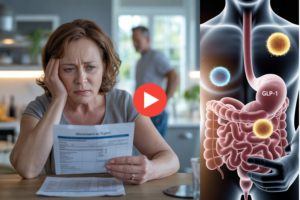
“The Real Reason Weight Loss Gets Harder Over Time” – New findings
“Why Some People Feel Hungry All the Time After 40” – This overlooked pattern may explain constant cravings and stubborn weight gain.
1
170 Million Americans May Be Affected by Slowed Metabolism Signals
2
The Real Reason Some People Keep Gaining Weight Despite Eating Less
3
New Findings Suggest Weight Gain Isn’t Just About Calories
4
Why Some People Feel Hungry Even After Eating a Full Meal
5
How Hormonal Imbalances Can Quietly Block Fat Burning Over Time
Copyright 2026
All rights reserved.
The content on this website is for informational purposes only and should not be considered medical advice. We recommend consulting a qualified healthcare professional before making any changes to your health regimen. If you have any existing medical conditions or concerns, please seek guidance from your physician. It is always advisable to conduct independent research and verify information from multiple sources before making health-related decisions. Consult your doctor before following any suggestions mentioned on this site or in relation to the promoted product. Individual results may vary. The testimonials shared on this page represent personal experiences and are not indicative of guaranteed results. This website does not provide medical diagnosis, treatment, or professional healthcare advice. Always seek the opinion of a licensed medical professional for any health-related inquiries.